
Spasmodic Dysphonia
Spasmodic dysphonia, also called laryngeal dystonia, is a neurological condition in which the muscles of the larynx spasm involuntarily during speech. The voice sounds strained, strangled or broken, and speaking takes great effort.

What it is
Spasmodic dysphonia is a focal dystonia: the brain's control of a specific group of muscles, here those of the larynx, is disrupted during particular tasks. The commonest form is adductor spasmodic dysphonia, in which the vocal folds squeeze together, producing strained breaks. In the abductor form they open, producing breathy breaks.
Symptoms
Voice breaks and strain during connected speech, often worse on the telephone or under stress, while laughing, shouting or singing may be less affected. The condition is frequently mistaken for a psychological problem or for muscle tension dysphonia.
How it is diagnosed
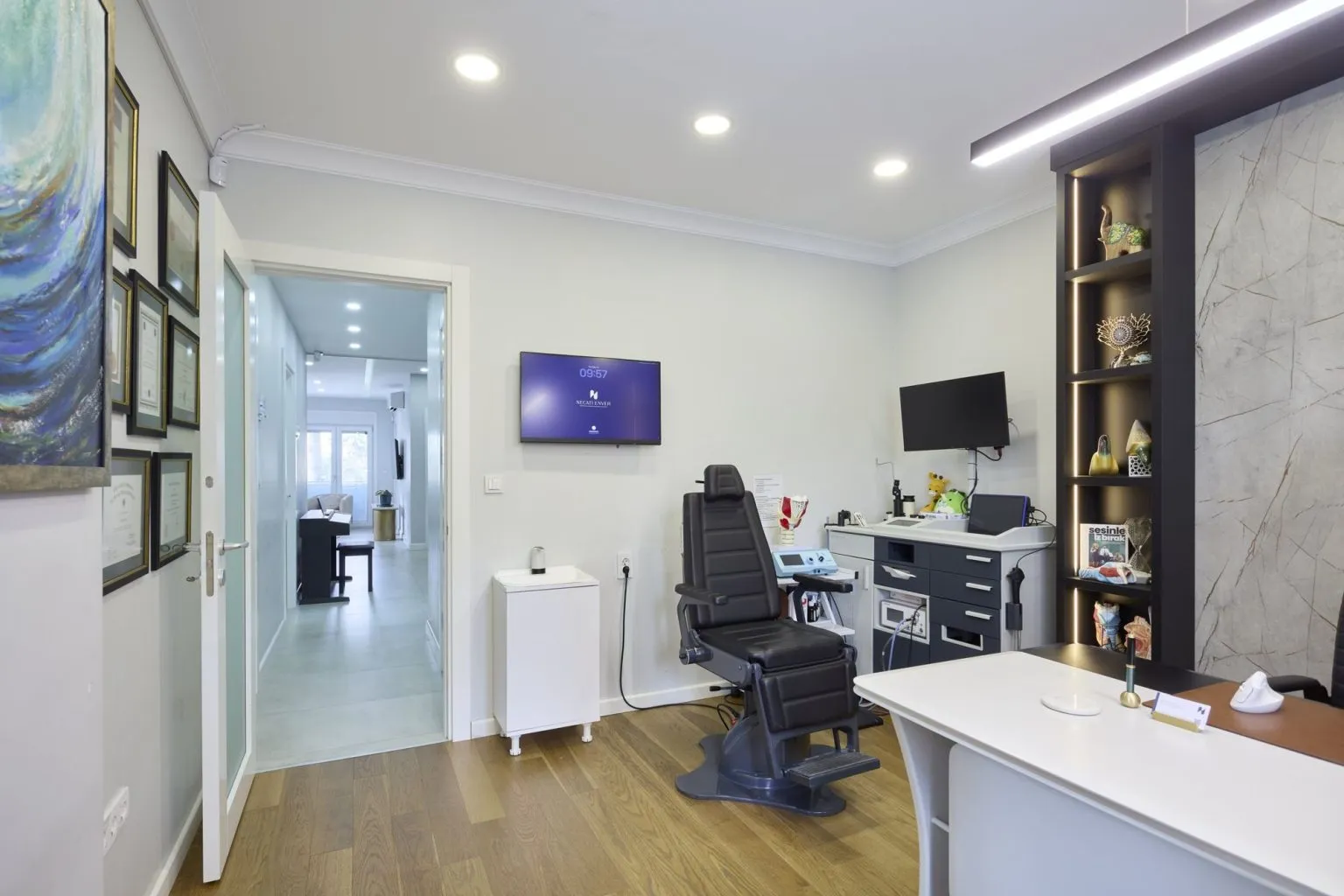
Diagnosis is clinical, based on listening to connected speech and examining the larynx with a flexible endoscope while the patient speaks. It is important to distinguish spasmodic dysphonia from muscle tension dysphonia and from vocal tremor, which can coexist. Neurological assessment is arranged where appropriate.
Treatment
Botulinum toxin injection into the affected muscles is the mainstay of treatment. It weakens the spasm for a period of months and is then repeated, with the dose adjusted to the patient. Voice therapy supports it. Surgical options exist for selected patients.
Research
Laryngeal dystonia is one of the institute's research lines, including the first population study of the condition from Türkiye. See Laryngeal Dystonia research.

Medically reviewed by
Associate Professor Necati Enver, MD
Laryngologist · Founder and Director, Istanbul Voice Center · Reviewed September 2026
General information only. It does not replace an individual assessment. Medical disclaimer
Frequently asked questions
Is spasmodic dysphonia psychological?
No. Spasmodic dysphonia is a neurological condition, a focal dystonia of the larynx. It is often misattributed to stress because symptoms can vary with emotion, but its cause lies in how the brain controls the laryngeal muscles.
How long does botulinum toxin last in spasmodic dysphonia?
The effect typically lasts a few months, after which the injection is repeated. The dose and interval are adjusted for each patient.
Can voice therapy cure spasmodic dysphonia?
Therapy does not cure the condition, but it can support botulinum toxin treatment and help with strategies for smoother speech.
Need a specialist voice or laryngeal evaluation?
Tell us briefly what is happening. We reply with the next step, usually within one business day.