
Injection Laryngoplasty
Injection laryngoplasty, or vocal fold injection augmentation, adds bulk to a vocal fold so that the two folds can meet. It improves a weak, breathy voice and a weak cough, and it is usually performed awake in the clinic.
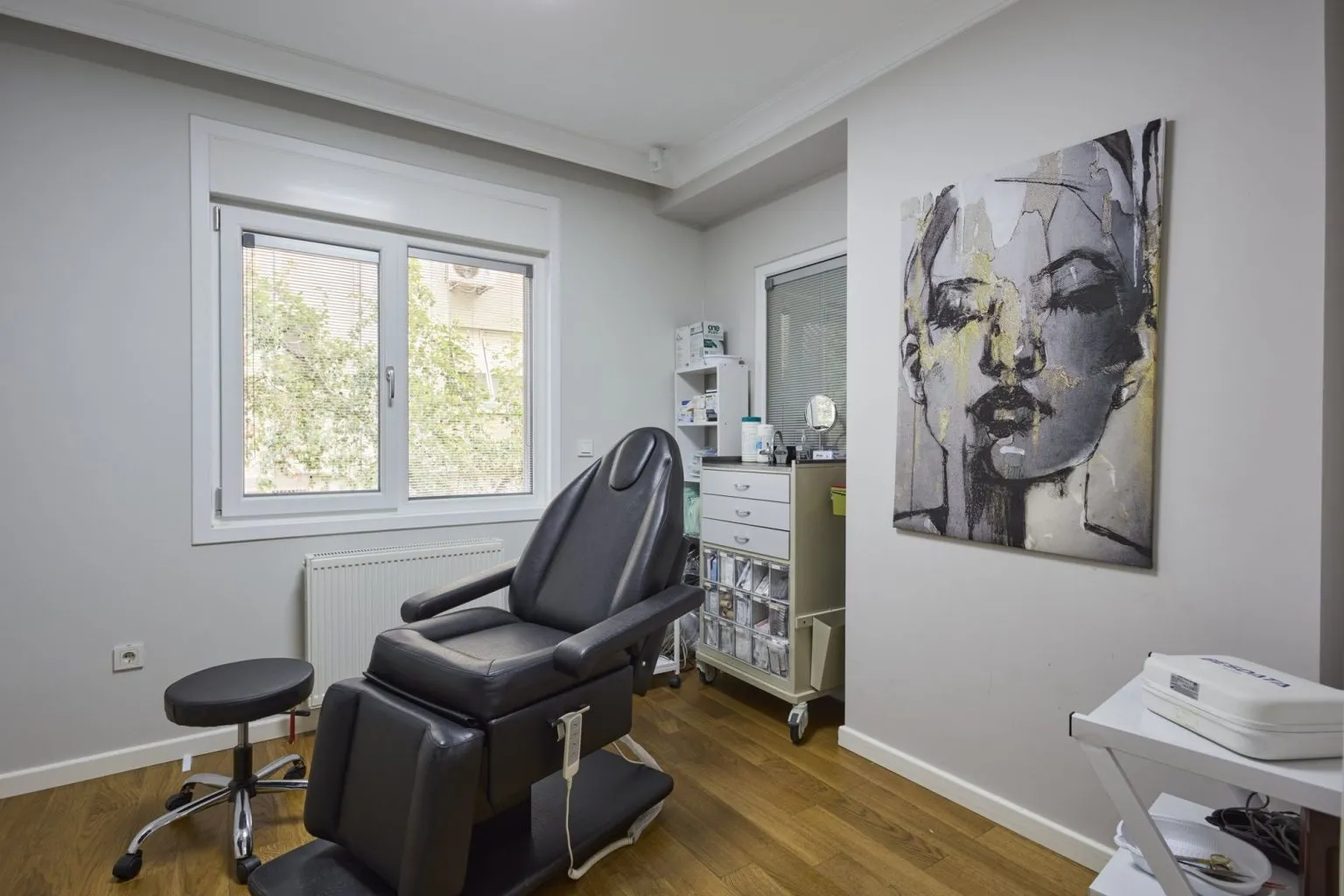
What it is
When a vocal fold is paralysed, thinned or stiffened, a gap is left between the folds as they close. Injecting a filler material into the fold moves its edge toward the midline and closes that gap.
Who it is for
Patients with vocal fold paralysis or paresis, age-related thinning of the vocal folds, and selected patients with sulcus or scar. In early paralysis a temporary injection restores a usable voice while the nerve may still recover.
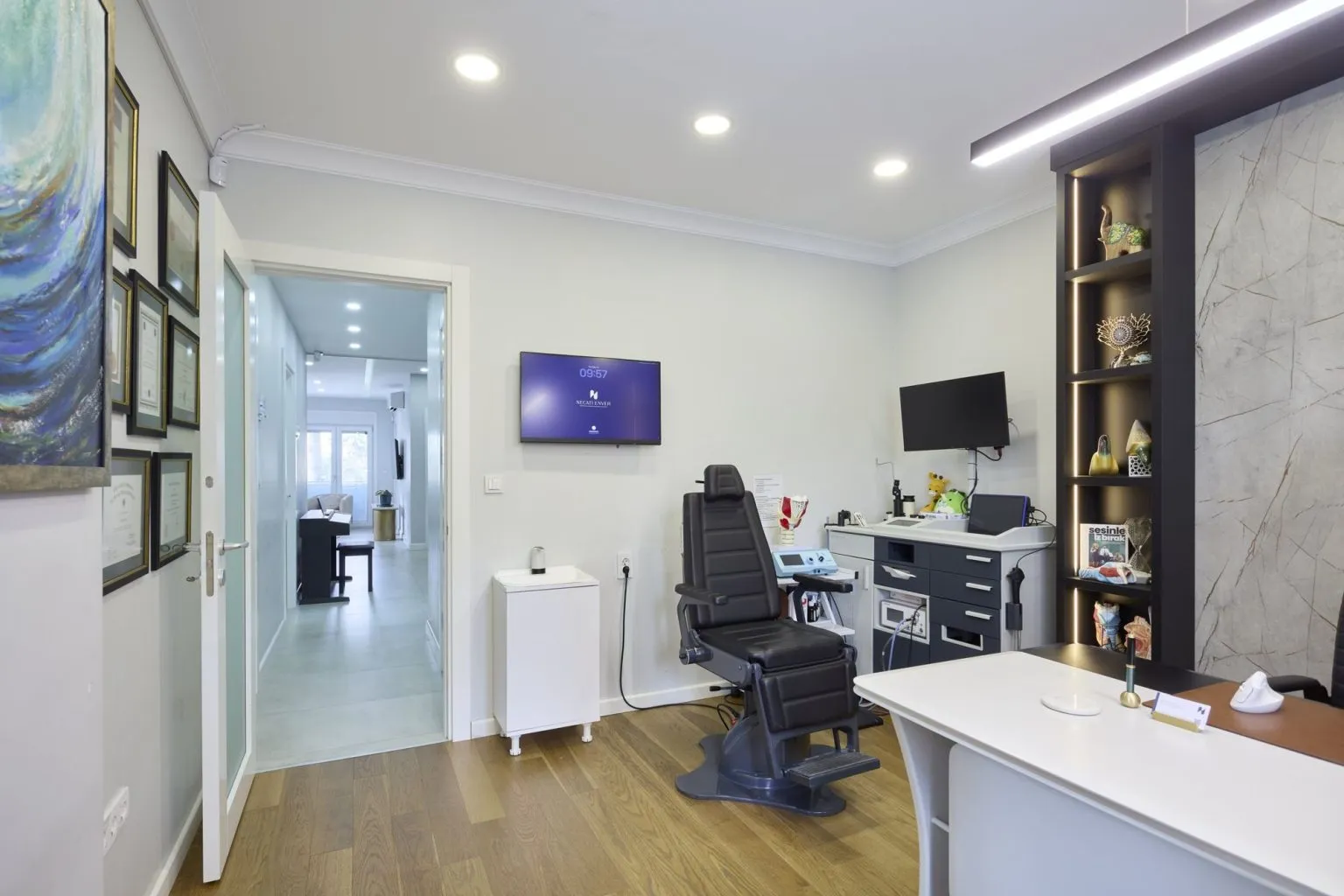
What happens
The nose and throat are numbed with topical anaesthetic. Guided by an endoscope, a fine needle delivers the material into the vocal fold, through the mouth, through the neck, or through the endoscope itself. The patient speaks during the procedure so that the effect can be judged in real time. It usually takes a few minutes.
Recovery and results
Most patients return to normal activity the same day. The voice often improves immediately, with some variation over the first days as swelling settles. Temporary materials are absorbed over months; if the need persists, the injection can be repeated or a more durable option considered, such as thyroplasty or reinnervation.
Risks
Risks are small and include temporary swelling, bruising, over- or under-correction, and rarely a reaction to the material. We discuss them before proceeding.

Medically reviewed by
Associate Professor Necati Enver, MD
Laryngologist · Founder and Director, Istanbul Voice Center · Reviewed September 2026
General information only. It does not replace an individual assessment. Medical disclaimer
Frequently asked questions
How long does a vocal fold injection last?
It depends on the material. Hyaluronic acid and similar temporary materials usually last months; fat and some other materials can last longer. The choice depends on whether the aim is to bridge a period of possible recovery or to provide a longer-lasting result.
Is it done awake?
Usually, yes. Most injections are performed in the clinic under topical anaesthesia. Some are done in theatre, for example when combined with another procedure.
Will my voice improve straight away?
Often it improves immediately, although swelling can affect the voice for a few days.
Need a specialist voice or laryngeal evaluation?
Tell us briefly what is happening. We reply with the next step, usually within one business day.